
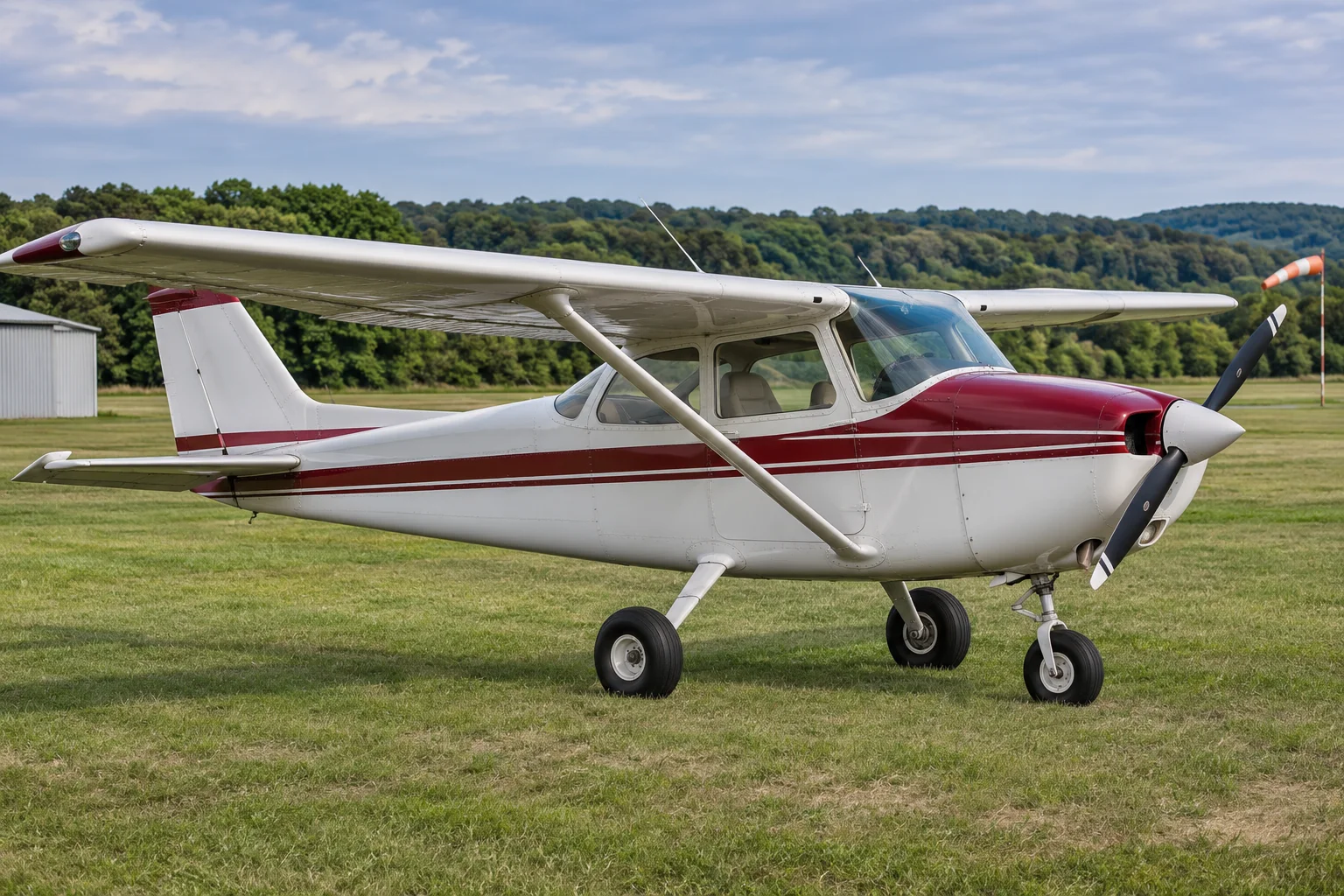
Aircraft recognition becomes easier when you observe a few visible features at a time. This field guide gives beginners a calm, practical way to describe an airplane without guessing beyond the evidence in front of them.
Start with the overall shape
Notice whether the aircraft has one wing or two, where the wings meet the fuselage, and whether the tail is conventional, high-mounted, or divided. These broad features help narrow a type family. They are clues, not proof: many aircraft share a similar silhouette.
Look at engines and landing gear
Engine placement can distinguish aircraft built for very different purposes. A single propeller at the nose, multiple piston engines, or jet engines under the wings all change the outline. Landing gear position and shape can add another clue, especially in a clear side view.
Use markings carefully
National insignia, registration numbers, squadron emblems, and museum labels can help identify an aircraft. Zoom in only after you have a safe, lawful photograph. A partial or blurry marking is not enough to make a confident identification, so label uncertain observations as uncertain.
Write a caption that helps
A useful caption says what is visible, where and when the photograph was made, and why the moment matters. Keep technical claims concise and verify them. If you cannot confirm a model or unit, a careful general description is more informative than a confident mistake.
Keep exploring
Browse another Femoaz guide for more aviation context, practical visit ideas, and photography field notes.
Go to the photo archive